My Store
Blue Bottle Fly Pupae
Blue Bottle Fly Pupae
Couldn't load pickup availability
Important Order Information
Live and perishable products are non-returnable. Eligible Live Arrival claims must be reported to SpoodFood within 2 hours of the carrier-recorded delivery time.
Fruit fly cultures may contain eggs, larvae, pupae, and developing flies even when few or no adult flies are visible at delivery.
Dry goods may be eligible for return subject to our Return & Refund Policy. Please contact SpoodFood before returning any item.
Calliphora sp. – Blue Bottle Fly Pupae
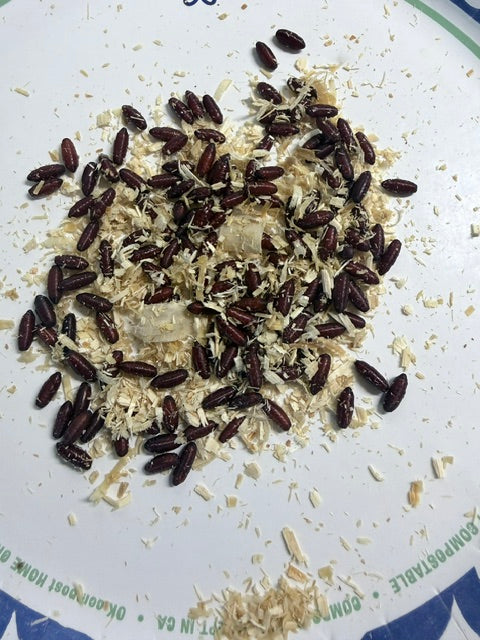
Blue bottle fly pupae are the final developmental stage before adult emergence and are intended for customers who do not want to start with spikes (maggots) and prefer a faster, cleaner way to produce adult blue bottle flies.
The pupae in each order may range from newly pupated individuals to pupae that are approximately a couple of weeks into development. Because they are shipped at different points within the pupal stage, emergence will not necessarily occur all at once. Some adults may hatch relatively quickly after warming, while others may take longer.
This staggered development can provide a more gradual supply of adult flies rather than having an entire batch emerge at the same time.
Key Characteristics
- Species: Calliphora sp. (Blue Bottle Fly)
- Form: Pupae — not spikes or maggots
- Developmental range: Pupae may range from newly pupated to approximately a couple of weeks into development
- Adult size: Larger than house flies and suitable for medium to large insectivores
- Convenience: A faster route to adult flies for customers who do not want to raise spikes through the pupation stage
- Feeding value: Provides active flying prey that can encourage natural hunting behavior and feeding enrichment
Hatching & Usage Notes
- Allow pupae to warm to room temperature when you are ready for adult flies to emerge
- Because pupae arrive at different developmental ages, hatching times will vary
- Older pupae may emerge relatively quickly, while newly pupated individuals can require additional time
- Warmer temperatures generally accelerate development; cooler temperatures slow it
- Refrigeration at approximately 38°F–45°F can help slow development when you are not ready to hatch the entire batch
- Use a ventilated, escape-resistant hatching container
- Adult blue bottle flies are strong fliers, so feeding is best done in a controlled enclosure
Why Choose Pupae Instead of Spikes?
Pupae are ideal for customers who want adult blue bottle flies without maintaining spikes and waiting for them to pupate first.
Since the larval stage has already been completed, pupae provide a more direct and convenient path to adult flies and can begin producing feeders much sooner depending on their developmental age.
Share